


The 2026 Guide to Boba Shop Design in California
Understanding the intersection of lifestyle, technology, and architectural precision in the modern tea shop market.
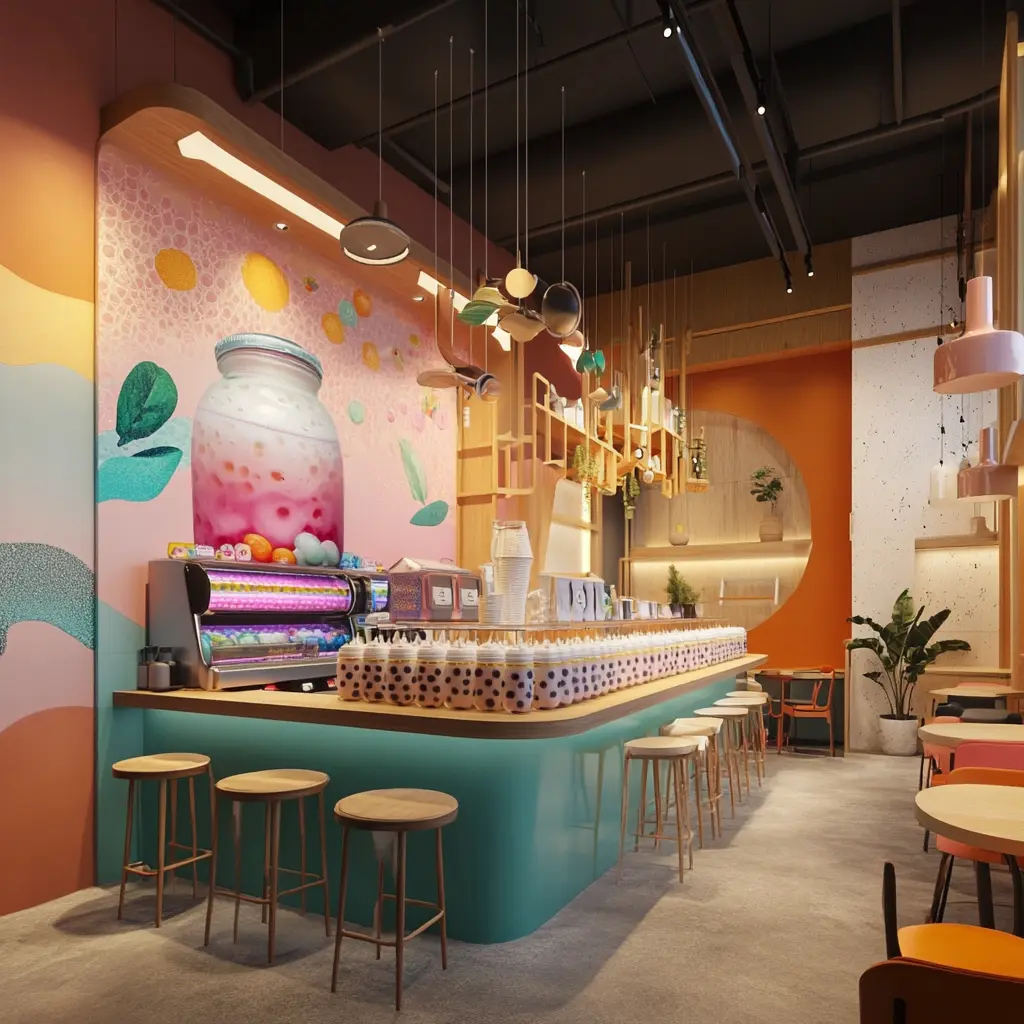

The Cultural Shift in Café Architecture Newport Beach
In the heart of Southern California, the commercial landscape is undergoing a significant transformation. Café architecture Newport Beach is no longer just about creating a place to sit; it is about reflecting the city’s unique blend of coastal luxury and high-energy lifestyle. As we approach 2026, the demand for specialized commercial design for tea shops has reached an all-time high, driven by a consumer base that values both aesthetic beauty and functional speed.
“The modern café is no longer a stop; it’s a destination. Architecture is the bridge between a quick transaction and a lasting memory.”
Opening a successful beverage business in California requires more than a great menu. It requires a deep understanding of commercial design and how it influences human behavior. An educational approach to architecture reveals that the layout of a shop can dictate everything from the average transaction time to the likelihood of a customer sharing their visit on social media.
The evolution of these spaces is deeply tied to the changing habits of the modern consumer. In Newport Beach, the “third space” the place between home and work has become a vital part of the community fabric. Architects are now tasked with creating environments that are as conducive to a quick mobile pickup as they are to a two-hour remote work session. This duality is the cornerstone of modern architectural design in the coastal commercial sector.
2026 Trends in Boba Shop Design California
The Boba shop design California market is currently leading the world in “Immersive Minimalism.” This trend focuses on high-quality, tactile materials such as fluted stone, warm woods, and integrated greenery to create a sensory experience that feels premium yet inviting.
Key Trends for 2026
- Immersive Minimalism: Using tactile textures to create depth without clutter.
- Tech-Integrated Fabric: Kiosks and pickup stations built into the architecture.
- Biophilic Accents: Bringing the California coast indoors with native flora.
One of the most critical aspects of modern commercial design for tea shops is the integration of technology. Digital ordering kiosks and mobile pickup stations are now being built directly into the architectural fabric of the shop, rather than being added as an afterthought.
Furthermore, the “Instagrammable” moment has evolved. It is no longer about a single neon sign or a flower wall; it is about the entire architectural composition. Architects are using 3D rendering to simulate how different lighting conditions from the bright California sun to the soft evening glow will interact with the space, ensuring that every angle is photogenic and every shadow is intentional.
Educational Insight: The Flow of Service
In a high-volume Boba shop, the “back-of-house” is just as important as the “front-of-house.” A professional plan design must account for the specific workflow of tea brewing, topping preparation, and sealing, ensuring that staff can move efficiently without crossing paths. This operational efficiency is the “silent partner” in a shop’s profitability.
Space Optimization: Lessons from Residential Architecture
Newport Beach real estate is some of the most expensive in the world. For a business owner, space optimization is the key to a viable business model. Every square foot must contribute to the bottom line. Interestingly, some of the best techniques for commercial efficiency come from the world of Accessory Dwelling Units (ADUs).
The ADU Approach
Maximizing 400 sq. ft. for full living functionality. Focus on multi-purpose zones and vertical storage.
The Commercial Application
Applying residential efficiency to high-traffic tea shops to increase revenue per square foot.
When designing an Accessory Dwelling Unit (ADU) or a self-contained dwelling unit, architects must solve complex living requirements within very small footprints. These same principles of space optimization are now being applied to commercial design.
This optimization extends to vertical space as well. In many Newport Beach locations, high ceilings allow for mezzanine storage or elevated seating areas, effectively increasing the usable square footage without increasing the footprint. This requires careful architectural planning and a deep knowledge of structural codes to ensure safety and accessibility.
The Technical Foundation: Plan Design and Drafting
Before a single tile is laid, the success of a project is determined by the quality of its plan design. Professional architectural drafting is the process of translating a vision into a technical manual for builders.
Why Drafting Matters
In California, a technical manual must meet rigorous standards for structural safety, fire protection, and accessibility. A precise diseño de planos prevents costly “change orders” during construction.
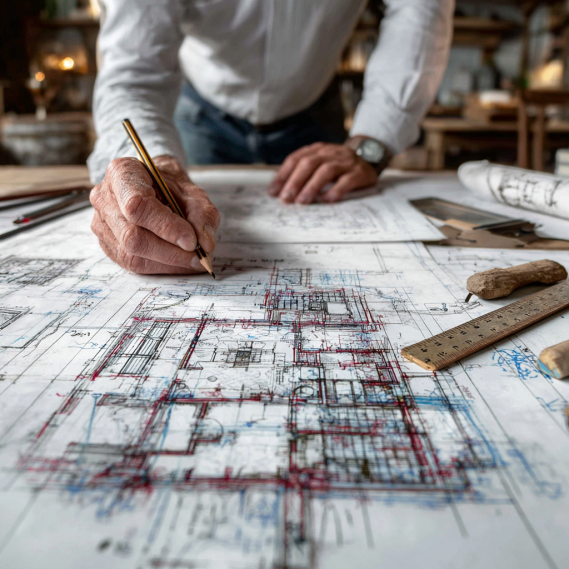
A precise plan design is especially important for food and beverage spaces because of the complex plumbing and electrical requirements. Boba shops require specialized drainage for tea prep and high-voltage power for sealing machines and refrigeration.
Drafting also involves the careful placement of HVAC systems. In a busy café, heat from espresso machines and tea brewers can quickly make a space uncomfortable. A well-drafted plan integrates high-efficiency climate control that maintains a steady temperature without creating loud noise or unsightly ductwork, preserving the ambiance of the café architecture Newport Beach.
Visualizing Success with 3D Rendering Services
In the past, business owners had to rely on their imagination to understand a 2D floor plan. Today, rendering services have changed the game.
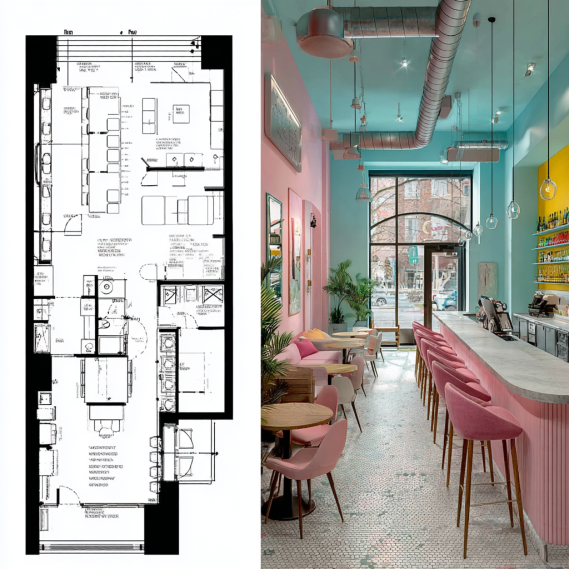
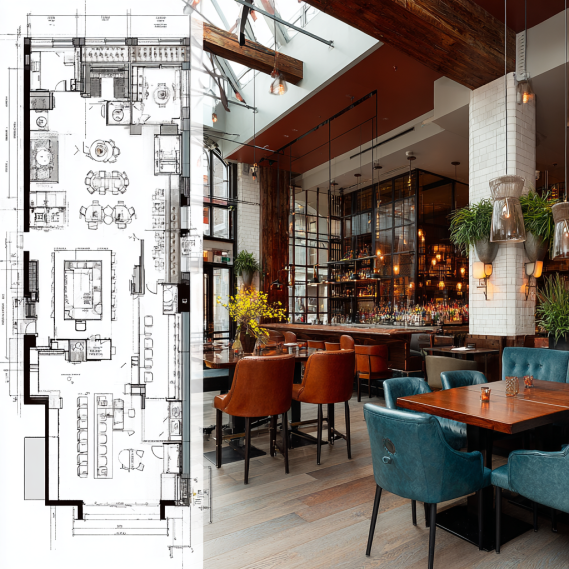
For café architecture in Newport Beach, 3D representations for commercial spaces are often required for landlord approvals and city design reviews.
Navigating the Regulatory Landscape: Permit Management
One of the biggest hurdles for any business owner in California is the permit process. Permit management is a specialized field that involves navigating the requirements of the building department, the health department, and the fire marshal.
Did You Know?
“In Newport Beach, health department approvals for Boba shops often require specific grease interceptor sizing that differs from standard cafés. Missing this detail in the plan design phase can delay your opening by up to 12 weeks.”
The goal of professional permit management is to ensure that your commercial design complies with all local and state codes from the very beginning.
Interestingly, the process for commercial permits shares many similarities with the process for Accessory Dwelling Units (ADUs). Both require a detailed understanding of zoning laws and environmental regulations. By leveraging experience in permit management for residential ADUs, architects can more effectively navigate the complexities of commercial approvals, ensuring a smoother path from concept to grand opening.
Psychology of Color and Light in Tea Shop Design
The choice of color and lighting is not just an aesthetic decision; it is also a psychological one. In Boba shop design in California, designers often use soft, muted tones to create a sense of calm and cleanliness. However, strategic pops of color often connected to a brand’s identity are used to guide the customer’s attention toward the ordering counter or a featured product display.
Lighting also plays a major role in shaping the atmosphere. Many modern spaces use circadian lighting, which adjusts its color temperature throughout the day to match natural light patterns. This approach helps the space feel bright and energetic in the morning while becoming warm and cozy in the evening. In café architecture in Newport Beach, where the transition from daytime activity to evening relaxation is part of the local lifestyle, dynamic lighting helps maintain a consistent and welcoming customer experience.
Acoustics are another often overlooked element of commercial design. In spaces filled with hard surfaces such as stone, tile, and glass, sound can quickly become overwhelming. To address this, designers often integrate acoustic panels into ceilings or walls sometimes disguised as decorative elements or architectural features to ensure the environment remains comfortable for conversation, even during peak hours.
Conclusion: The Future of Newport Beach Commercial Spaces
The future of Boba shop design in California and café architecture in Newport Beach combines high-tech efficiency with thoughtful, human-centered design. By focusing on space optimization, using tools like 3D rendering, and ensuring professional permit management, business owners can create commercial spaces that are not only visually appealing but also efficient, profitable, and compliant with local regulations.
Whether inspired by the compact efficiency of an Accessory Dwelling Unit (ADU) or the spacious layout of a custom single-family home design, the core principles of great architecture remain the same: precision, purpose, and creativity. As we move toward 2026, the most successful commercial environments will be those that prioritize the human experience, creating spaces that benefit both the community and the businesses that serve it.
Planning Your Next Commercial Venture?
Understanding the architectural requirements is the first step toward success. Explore our educational resources or speak with an expert to clear the path for your vision.
Common Questions
Technical Insights
What are the specific health department requirements for Boba shop design in California?
California health codes require specific non-porous surfaces, triple-compartment sinks for washing, separate hand-washing stations, and specialized grease interceptors. Professional commercial design ensures these are integrated into the plan design to pass inspections on the first try.
How does space optimization impact the ROI of a Newport Beach café?
In high-rent areas like Newport Beach, space optimization allows you to increase your ‘revenue per square foot’ by maximizing seating capacity without compromising the efficiency of the prep area. This balance is critical for long-term profitability.
Why is 3D rendering considered essential for commercial projects today?
3D rendering allows stakeholders to identify design conflicts before construction begins. It is also a powerful tool for securing landlord approval and can be used for pre-opening marketing to build anticipation for the business.
Can I use the same architect for my ADU and my commercial shop?
Yes. Architects who specialize in high-precision projects like Accessory Dwelling Units (ADUs) often have superior skills in space optimization and permit management, which are directly transferable and highly beneficial to commercial design.