



What Home Renovations Are Tax Deductible? A Guide for Homeowners & Investors
Important Tax & Legal Disclaimer (YMYL)
This article is for general educational purposes only and is not tax or legal advice. Tax rules change frequently and depend on your specific situation always confirm deductions and credits with a licensed CPA or tax professional, or review current guidance at IRS.gov before filing.
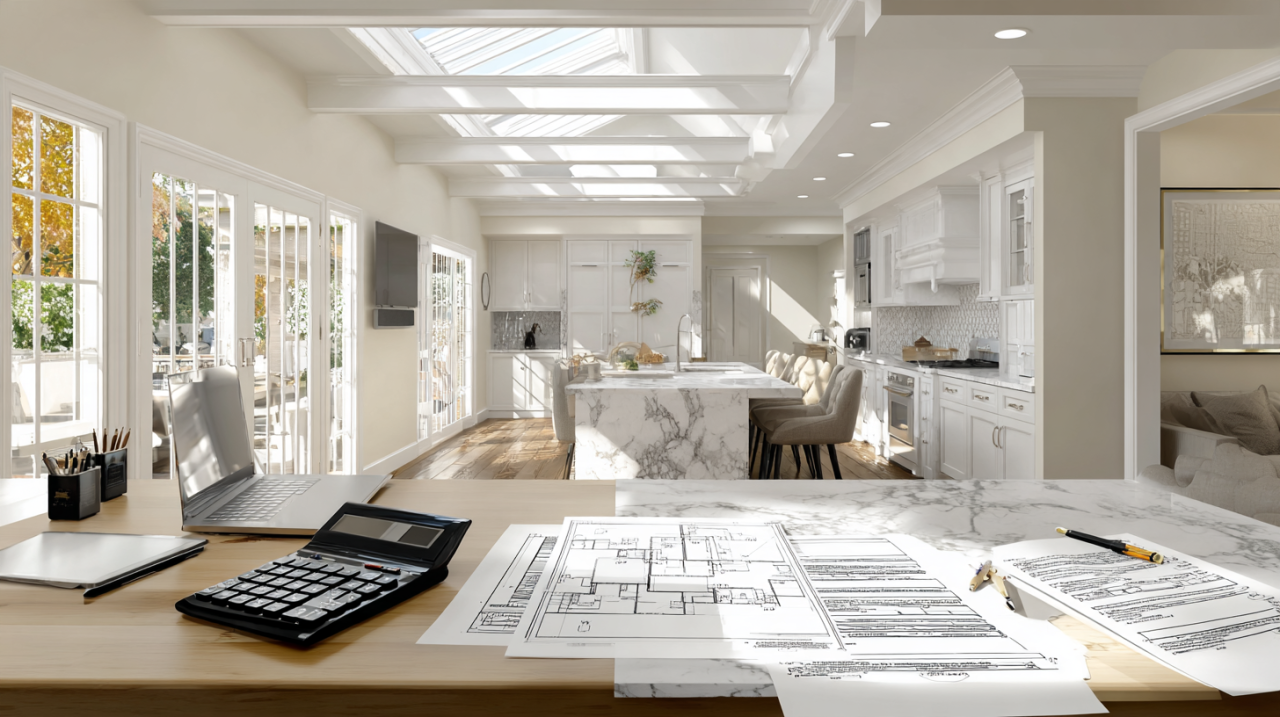
If you’re planning a renovation, one of the first questions worth asking is whether any of it is tax deductible. The honest answer is: it depends on what you’re renovating, how you use the property, and whether the IRS considers the work a “repair” or a “capital improvement.” Most renovations on a personal residence aren’t deductible the year you pay for them but many still reduce your tax bill later, and some, like energy-efficient upgrades or improvements to a rental property or home office, can offer real tax benefits right now.
At Jean-Prescott Studio, we work with homeowners, business owners, and real estate investors across California every day who are weighing exactly this question before starting a project. This guide breaks down what actually qualifies, so you can plan your renovation and your taxes with clear expectations.
Are Home Renovations Tax Deductible? The Short Answer
For a personal residence, most renovations are not immediately tax deductible. The IRS generally doesn’t let you deduct the cost of remodeling your primary home the way you might deduct a business expense. What renovations usually do is increase your home’s “cost basis” which can reduce the capital gains tax you owe when you eventually sell.
There are three situations where renovations behave differently:
- Energy-efficient improvements may qualify for a federal tax credit in the year you make them
- Home office renovations may be partially deductible if you’re self-employed and use part of your home exclusively for business
- Rental or investment property renovations are treated as business expenses and can often be deducted or depreciated
Capital Improvements vs. Repairs: Why the IRS Treats Them Differently
This distinction is the foundation of everything else in this guide. The IRS separates home-related expenses into two categories:
Routine Repairs
Repairs keep your home in good working condition fixing a leaky faucet, patching a roof, repainting a room. For a personal residence, repairs are not deductible.
Tax Status: Not deductible for personal homes.
Capital Improvements
Capital improvements add value to your home, extend its useful life, or adapt it to new uses a kitchen remodel, a room addition, a new roof, or an ADU. These aren’t deductible immediately, but they’re added to your home’s cost basis.
Tax Status: Added to your home’s cost basis.
Why does cost basis matter?
When you sell your home, your taxable gain is calculated as the sale price minus your cost basis. A higher cost basis means a lower taxable gain. If you’ve invested in capital improvements over the years the kind of work we do, from custom additions to full remodels keeping detailed records of those costs can meaningfully reduce what you owe when you sell.
What the IRS Says About Home Remodeling Deductions
When Renovations Increase Your Home’s Cost Basis
Capital improvements that typically qualify to be added to cost basis include room additions, kitchen and bathroom remodels, new roofing, HVAC system replacements, and ADU construction. Keep every invoice, permit, and contract from your project if you’re ever audited or you sell the property, this documentation is what substantiates your adjusted cost basis.
Energy-Efficient Renovations & Federal Tax Credits
Certain energy-efficient home improvements such as high-efficiency HVAC systems, insulation, energy-efficient windows and doors, and solar installations may qualify for federal tax credits under programs like the Energy Efficient Home Improvement Credit. These credits change periodically, so confirm current eligibility and amounts directly on IRS.gov or with your tax preparer before you budget around them.
California Energy Efficiency & Title 24
California building codes naturally align with high-efficiency standards, making solar, heat pump HVAC, and insulated window upgrades ideal for federal credit qualification.
Tax Deductions for a Home Office Renovation
If you’re a business owner or self-employed and you use part of your home exclusively and regularly for business, you may be able to deduct a portion of certain renovation costs tied to that space, based on the percentage of your home used for business. A renovation to your home office specifically not a general home remodel is what’s most likely to qualify, and only for the business-use portion of the home.
Strategic Planning for Entrepreneurs
This is especially relevant if you’re an entrepreneur growing a business out of your home, or converting part of your property into a dedicated office or studio space. If that’s your situation, it’s worth having this conversation with your CPA before the renovation starts, not after the way the space is used and documented affects what you can claim.
Tax Deductions for Rental Property & Investment Renovations
If you own a rental property or investment property, the rules shift significantly in your favor. Renovations to a rental property are treated as business expenses. Depending on the type of work, costs may be:
- Deducted in the current year, if classified as a repair
- Depreciated over time, if classified as a capital improvement to the property
For real estate investors, this makes renovation planning a genuine tax-strategy decision, not just a design one. Improvements that increase a property’s value and rentability like a kitchen update, an ADU addition, or a full unit remodel can pay off both in higher rent and in depreciation benefits over time.
Common Renovations That Typically Qualify as Capital Improvements
- Kitchen and bathroom remodels
- Room additions and ADUs
- Roof replacement
- HVAC system upgrades
- Energy-efficient windows, doors, and insulation
- Major structural renovations
If your project involves any of these, keeping organized records from day one permits, invoices, 3D plans, and contracts puts you in the best position at tax time, whether that’s years from now at sale or during this year’s filing for a rental or home office space.
Frequently Asked Questions
Is home remodeling tax deductible?
Generally, remodeling a personal residence isn’t deductible in the year you pay for it. Instead, it typically increases your home’s cost basis, which can reduce capital gains tax when you sell. Exceptions apply for energy-efficient upgrades, rental properties, and qualifying home offices.
Are home renovation expenses tax deductible?
Most renovation expenses on a primary residence aren’t deductible, but they aren’t wasted either — they add to your cost basis. Rental property renovations and certain home office improvements follow different, often more favorable rules.
Can you claim home renovations on your taxes?
You generally can’t claim a full deduction for remodeling your primary home the year you pay for it. You can, however, claim applicable federal energy-efficiency credits, and you can factor capital improvements into your cost basis for when you sell.
What home remodeling is tax deductible for a home office?
If you’re self-employed and use part of your home exclusively for business, renovation costs tied specifically to that space may be partially deductible, based on the percentage of your home used for business purposes.
Do house remodel tax deductions apply to rental properties?
Yes. Renovations to a rental property are treated as business expenses and can typically be deducted or depreciated, unlike renovations to a personal residence.
Plan Your Renovation With Both Value and Tax Strategy in Mind
The best renovation decisions consider more than style and function they also take into account how the work affects your property’s long-term value and, where applicable, your tax position. Whether you’re adding an ADU, remodeling a kitchen, converting part of your home into a dedicated office, or upgrading a rental property, having a clear design plan from the start makes it easier to document improvements correctly and get the most out of your investment.
Ready to Plan Your Next Renovation?
Discuss your scope, permit requirements, and custom floor plans directly with Jeannice Carrillo at Jean-Prescott Studio.